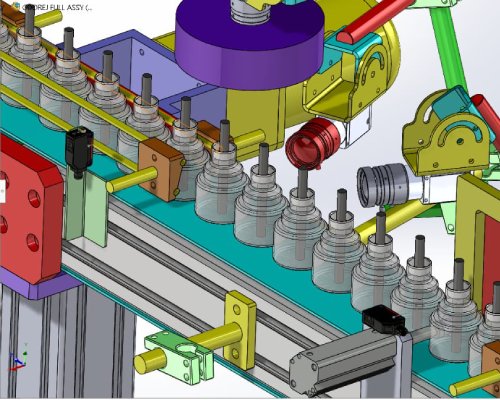
FMCG Industrial Application

Quality inspection is a vital aspect in the FMCG industry that ensures customers receive high-quality products. The process involves assessing the goods for any defects or flaws that could affect their usefulness. Quality inspectors use various tools and techniques such as visual inspection, sensory evaluation, and laboratory testing to identify any issues. It is essential that the inspection is carried out throughout the production process, from the raw materials to the finished products. FMCG companies invest heavily in quality inspection to uphold their brand reputation and ensure customer satisfaction. With stringent regulations and competition, quality inspection is crucial to operations and success in the FMCG industry.
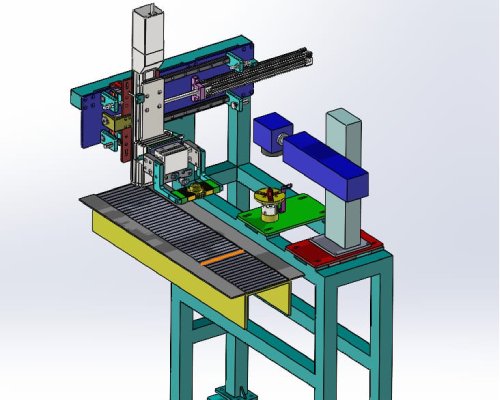
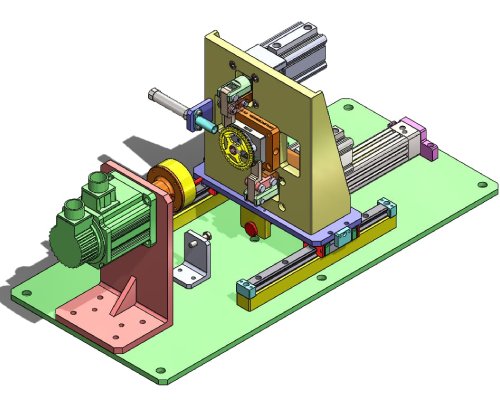
Laser Marking Machine

A laser marking machine can be a useful tool for engine assembly processes. Laser marking allows for permanent engraving on various materials, including metals used in engine components like cylinders, pistons, and crankshafts. Laser marking machines can produce high-precision markings at a fast rate, reducing production time and increasing efficiency in engine assembly.

One advantage of laser marking machines is that they can produce high-quality, visually appealing marks that can enhance the aesthetic appeal of an engine or engine component. Additionally, the laser marking process is non-contact, meaning that it can be used on fragile or delicate parts without causing damage.

Using laser marking machines for engine assembly can also enable traceability and quality control. Each engine component can be marked with a unique identifier, such as a serial number or barcode, allowing for easy tracking and identification throughout the manufacturing process. This can be helpful in quality control measures, as it allows for improved tracking of any issues that arise and easier rectification.

Overall, laser marking machines can be a valuable addition to engine assembly processes, allowing for high-quality, efficient, and visually appealing markings while maintaining strict quality control measures.

EOL Performance Testing Machines

EOL Performance Testing Machines, or End-of-Line Performance Testing Machines, are designed to test and evaluate the performance of various products before they are released into the market. These machines are used in a variety of industries, including automotive, aerospace, and electronics.

The purpose of EOL Performance Testing Machines is to ensure that the products meet or exceed the intended performance standards and specifications. These machines use various testing methods and measurements to evaluate the products, such as vibration, shock, fatigue, durability, and temperature testing. The machines can also perform functional testing to ensure that the product operates as intended.

The EOL Performance Testing Machines are fully automated and can be integrated into a production line. They are designed to be fast, accurate, and reliable, which allows for quick testing and delivery of products. Most machines are equipped with software that monitors and records test results, which provides valuable data for product development and quality control.

The design of the EOL Performance Testing Machines depends on the type of product being tested and the specific testing requirements. For example, an EOL Performance Testing Machine for automotive parts may include hydraulic actuators, pneumatic cylinders, or electric motors to simulate real-world conditions such as road vibrations and impact.

In conclusion, EOL Performance Testing Machines play an essential role in the manufacturing process. Their ability to test products quickly and accurately ensures that high-quality products are delivered to the market, which can lead to increased customer satisfaction and revenue for the manufacturers.

Enquiry Now